
- Ответственность за окружающую природу и забота о местном населении корректировка
- ОПАСНЫЕ ЯДОВИТЫЕ РАСТЕНИЯ И ЖИВОТНЫЕ ВСТРЕЧАЮЩИЕСЯ В РАЙОНЕ РУДНИКА
- Краснокнижные растения и животные встречающиеся в районе рудника Южный Инкай
Environmental protection at JV “SMCC” LLP consists of compliance with the necessary measures aimed at ensuring favorable and safe living conditions for people. The most important environmental factors at the production facilities are atmospheric air, water, and soil. Environmental protection includes the preservation and restoration of natural resources in order to prevent the direct and indirect negative impacts of the company’s activities on nature and human health.
The Company’s activities in the field of environmental protection are carried out in accordance with the requirements of the Environmental Code and in compliance with the legislation of the Republic of Kazakhstan.
Environmental management
When carrying out production activities, the management of the Company recognizes its responsibility to the local population and its employees for protecting health, ensuring environmental safety, and preserving the natural environment in the areas where production activities are carried out. The Company’s production activities are conducted in accordance with the requirements of the legislation of the Republic of Kazakhstan and the applicable permit documentation.
From the perspective of environmental impact management, the Company has developed and approved a Management System Policy and a Procedure for the Identification and Assessment of Environmental Aspects. Specialists from the Company’s structural divisions are involved in the identification of environmental aspects, and the results of this identification are documented in the Register of Environmental Aspects.
Control over the implementation and functioning of the Environmental Management System (EMS) certification within the Company is carried out by the Quality and Standardization Department. The Environmental Management System of JV “SMCC” LLP is certified for compliance with the requirements of ISO 14001.
In order to conduct regular comprehensive assessments of the impact of production activities on environmental components, the local population, and to organize interaction with stakeholders, the Company has developed a number of internal regulatory documents. These documents provide for the gradual reduction of industrial impacts on the environment, including effective waste management, water and land resource management, preservation of ecosystems and biodiversity, participation in improving the socio-economic well-being of the regions, and the implementation of a risk-based approach for identifying, preventing, and mitigating actual and potential adverse impacts of production activities on environmental components and the local population.
Environmental risk management in the Company is carried out in accordance with established priorities based on risk categories. In order to prevent and minimize risks, monitoring and risk analysis activities are regularly conducted at production sites to ensure compliance with environmental legislation and to identify the causes of possible non-conformities. Systematic inspections of pipeline integrity are carried out, technical inspections of ventilation systems are performed, timely maintenance of mini-boiler houses is ensured, and special attention is paid to the technological process of wastewater treatment and monitoring the quality of wastewater after biological treatment.
As part of adherence to ESG sustainable development principles, climate risks have been included in the Risk Register of JV “SMCC” LLP for 2025.
Environmental impact
Atmospheric air.
During the production activities related to uranium mining at the mines, the in-situ leaching (ISL) method is applied, followed by the processing of technological solutions to obtain the final product in the form of uranium oxide concentrate (U₃O₈). The ISL method is considered the most environmentally friendly method for uranium extraction and processing. Compared with other industrial sectors, uranium mining using the ISL method does not have a significant impact on the atmosphere.
The in-situ leaching technology is based on the movement of process solutions through sealed pipelines and the use of submersible pumps, which prevent pollutants from entering the atmosphere. Emissions into the environment from the main production processes are minimal. The main share of emissions originates from auxiliary operations, such as heating of premises and transportation.
Atmospheric emissions are regulated by the Approved Emission Limits (AEL) project, which has received a positive conclusion of the state environmental expertise and based on which an environmental impact permit for Category I facilities has been issued.
On a quarterly basis, production environmental monitoring is carried out at stationary emission sources at the production facilities of JV “SMCC” LLP. Based on the results of measurements, the contractor prepares measurement protocols indicating the actual emissions in comparison with the maximum permissible emission limits.
According to the approved schedules, preventive maintenance and servicing of ventilation systems are carried out at the mines, as well as maintenance of mini-boiler houses with timely replacement of filters and spare parts.
In order to reduce emissions into the atmosphere, the company’s vehicles undergo regular technical inspections and maintenance.
A comparative analysis with the results of the previous year for JV “SMCC” LLP shows an increase in emissions of atmospheric pollutants. The increase in emissions is associated with the operation of diesel power plants, compressor units, as well as the increased operating time of special equipment during drilling operations for the construction of technological wells.
Environmental Indicators
|
Air pollution |
Unit of Measurement |
2025 |
2024 |
2023 |
2022 |
|
NOx Emissions |
tons |
8.219374768
|
13.24025294
|
10.8822601
|
13.1015738 |
|
SOx Emissions |
tons |
4.725674041 |
10.66004637 |
9.539104388 |
9.8795506 |
|
Particulate Matter Emissions |
tons |
30.6409400495
|
3.3910661260
|
4.0103010103
|
3.2845834621
|
|
CO Emissions (Carbon Monoxide Emissions) |
tons |
15.53734523
|
30.37872812
|
33.1992137
|
33.42866484
|
|
Volatile Organic Compounds (VOCs) |
tons |
5.610106367
|
6.294243739 |
8.201395839 |
8.574928572 |
|
Hazardous Substances of Class 1 |
tons |
0.0000039170 |
0.0000040375 |
0.0000067501 |
0.0000102979
|
Water resources
Groundwater intake for the mines is carried out on the basis of permits for special water use issued by the Shu–Talas Basin Inspection for the Regulation of Water Resources Use and Protection. Wastewater discharge is carried out on the basis of projects for Approved Discharge Limits (ADL), which have undergone the state environmental expertise, on the basis of which permits for emissions into the environment have been issued. In addition, when studying water samples, monitoring is conducted in accordance with ST NAK 17.4 “Methodological Guidelines for Organizing Monitoring of the Impact of ISL on Groundwater and Subsurface Waters at Uranium Deposits.”
Groundwater studies at wells are carried out on a quarterly basis in accordance with the issued permits for special water use. In order to monitor groundwater quality from production activities, according to the Production Environmental Control (PEC) Program, water sampling in 2025 was carried out at wells located outside the territory of the “South Inkai” / “Akdala” mines. Laboratory analyses were conducted by an accredited laboratory under the concluded Contract. According to the results of the studies, no exceedances of water quality indicators were identified. The quality of groundwater and the content of chemical substances, based on the conducted analyses, allow the conclusion that the activities of the production facilities of JV “SMCC” LLP do not have an impact on groundwater.
Domestic wastewater generated at the mines is directed to biological wastewater treatment plants. The operation of the biological treatment plants is monitored on a continuous basis. Wastewater samples are taken quarterly before and after treatment to assess the efficiency of the biological treatment plants. Wastewater entering the treatment facilities undergoes primary mechanical treatment followed by biological treatment. The treated water is accumulated in a storage pond and reused for irrigation of green areas. This practice has been implemented since 2025 and has made it possible to reduce groundwater consumption by 15.23%. The results of laboratory analyses of treated wastewater allow the reuse of the water.
A comparative analysis with the results of the previous year shows a 33.91% decrease in the generation of pollutants due to improved wastewater treatment efficiency. The reduction in pollutant formation in discharges is due to a decrease in the volume of domestic wastewater directed to the biological treatment plants, as well as repair works carried out, including the replacement of the blower, installation of an adsorber, and replacement of quartz sand.
|
Water consumption |
2025 |
2024 |
2023 |
2022 |
|
|
Total volume of water taken in |
1,000 m³ |
365.196 |
381.709 |
397.683 |
471,472 |
|
Total volume of discharged water |
1,000 m³ |
62.332 |
62.143 |
57.919 |
70.804 |
Land resources
Waste management is carried out in accordance with the Environmental Code No. 400-VI dated January 2, 2021, the Rules for Accounting of Production and Consumption Waste No. 312 dated July 11, 2016, and the Sanitary and Epidemiological Requirements for the Collection, Use, Treatment, Neutralization, Transportation, Storage and Disposal of Production and Consumption Waste No. 331/2020 dated December 25, 2020.
For the production activities of the mines, materials such as HDPE pipes, submersible pumps, protective casings, ammonium nitrate, stainless steel pipelines, flow meters, pressure gauges, and pump control cabinets are procured. Waste generated from the use of the above-mentioned materials is non-hazardous.
The service life of these materials varies from 5 to 10 years, except for submersible pumps, which may fail after two years of operation. At the end of their useful life, these materials are reused in accordance with internal regulations. In addition, radioactive waste may be generated during the use of certain materials. The generated radioactive waste is transferred for disposal/treatment under a contract with a specialized contractor.
A comparative analysis with the results of the previous year shows a slight increase in waste generation. This increase is due to major repair works carried out at the production sites of the mines, including the replacement and dismantling of equipment.
When production and consumption waste is transferred to contractors for disposal and treatment, the relevant certificates and waste passports are prepared at the production sites. The change in the total volume of waste generation in 2025 compared to 2024 is associated with the revision of the drilling schedule for the construction of technological wells and the implementation of major repair works.
Waste Management
|
Waste Type |
Unit of Measurement |
2025 |
2024 |
2023 |
2022 |
|
Dangerous |
tons |
13.945 |
2.788 |
2.276 |
7.978 |
|
Safe |
tons |
5969.37 |
3689.571 |
2672.979 |
3695.064 |
|
Low-Level Solid Radioactive Waste |
tons |
753.64 |
180.656 |
156.952 |
110.676 |
Climate change
To date, within the framework of the current state policy in the field of environmental safety, the Strategy for achieving Carbon Neutrality of the Republic of Kazakhstan until 2060 has been approved by the Decree of the President of the Republic of Kazakhstan. The main goal of the Strategy is to achieve sustainable development of Kazakhstan's economy to climate change and carbon neutrality by 2060.
Within the framework of the approved Strategy, measures are being taken in JSC "NAC "Kazatomprom" to achieve carbon neutrality, since the fundamental principles of the Policy of JSC "NAC "Kazatomprom" in the field of occupational safety, environmental protection, nuclear and radiation safety are the priority of human health and environmental safety in relation to the result of production activities.
In this regard, the Partnership has developed an Action Plan to reduce greenhouse gas emissions for the period from 2023 to 2030.
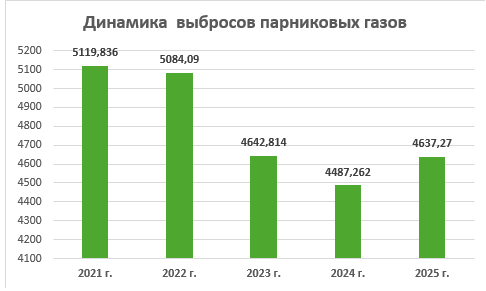
An analysis of greenhouse gas (GHG) emissions dynamics reveals an overall downward trend. However, the increase observed in 2025 is attributed to the extended operating hours of diesel power plants (DPPs) and compressor units.
On March 22, 2025, the production facilities of JV “SMCC” LLP took part in the international campaign “Earth Hour.” Employees who were on shift participated in the event. Participation in the international campaign “Earth Hour” helps remind society about the problems of climate change, environmental pollution, and the need for the rational use of natural resources. Switching off the lights for one hour helps develop a habit of saving electricity and encourages people to be more conscious about the consumption of non-renewable resources. Holding this campaign at the production facilities of JV “SMCC” LLP contributes to improving indicators of social responsibility and commitment to the principles of sustainable development.
Biodiversity
In order to assess the impacts of the production activities of JV “SMCC” LLP on the environment and the local population, identify impact pathways and risks, and improve the Company’s activities in accordance with ESG principles, scientific research on biodiversity as well as environmental and social studies was conducted for the first time during the period from 2020 to 2024.
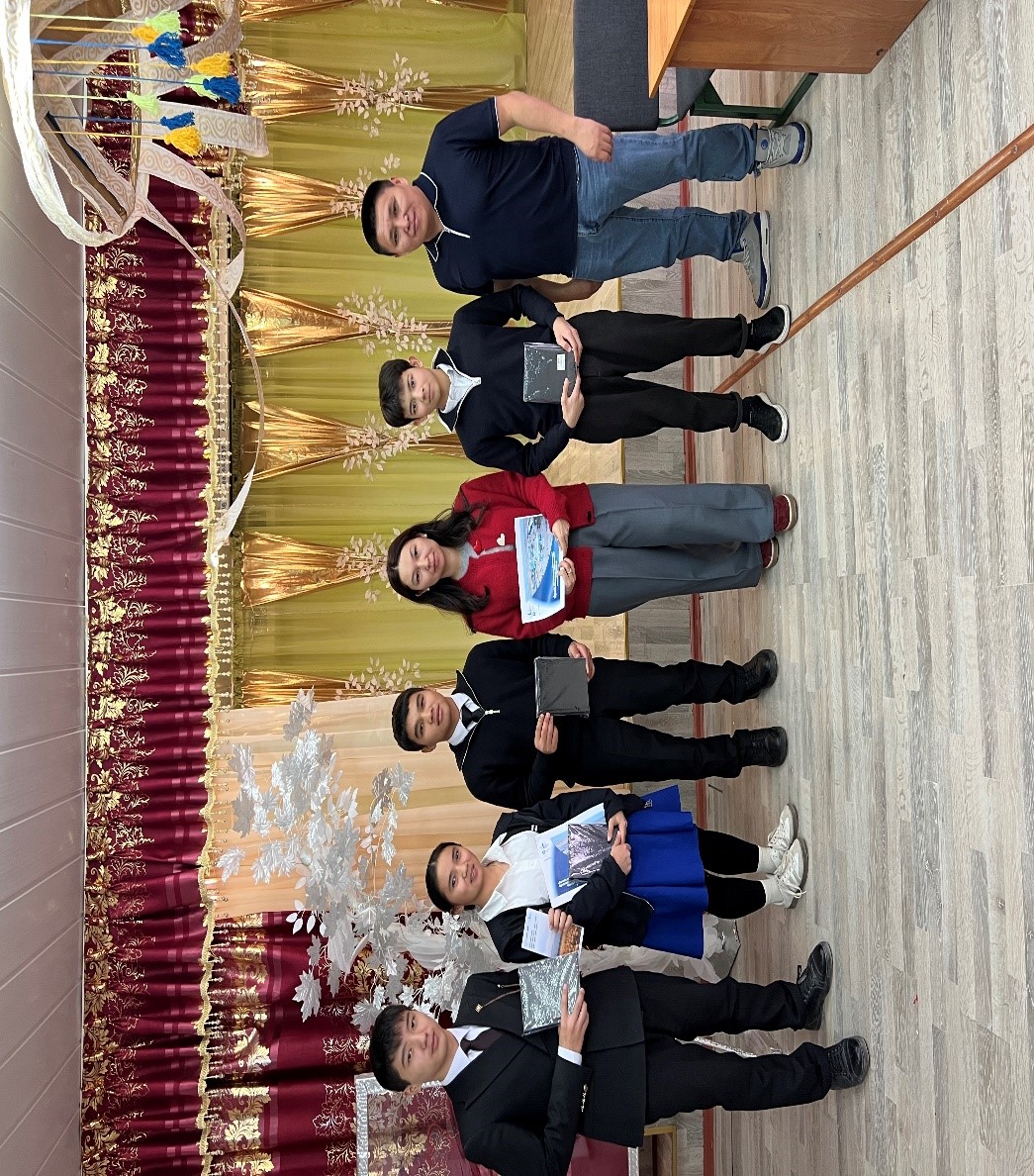
During 2020–2021, biodiversity studies were carried out for the first time in the territories of the production facilities. Considering the importance of biodiversity conservation, the Company sets tasks for regular monitoring of the state of flora and fauna with a frequency of once every three years. The data obtained during the study of flora and fauna are entered into a geographic information database and updated after new research results are obtained. The geographic information database has been developed using MapInfo Professional software and contains the results of environmental studies, including thematic maps, laboratory analysis results of environmental samples (soil, water, and atmospheric precipitation), biodiversity status assessments, and schemes of anthropogenic disturbance of soil and vegetation cover. In 2023, the Company introduced the Standard ST NAK 17.6 “System of Standards in the Field of Nature Protection. Methodological Guidelines for Biodiversity Assessment at Uranium Deposits, Production Facilities, and Adjacent Territories.” Since 2023, the production facilities of JV “SMCC” LLP have been maintaining a Register of Rare and Specially Protected Flora Species. An analysis of the dynamics of environmental research data for the period 2021–2024 indicates the stability of the environmental situation in background areas and nearby settlements. To facilitate communication with stakeholders and raise awareness about local flora and fauna, the Company has developed illustrated booklets titled “Dangerous (Poisonous) Plants and Animals Found in the Area of the South Inkai Mine,” “Red Book Animals and Plants Found in the Area of the South Inkai Mine,” and “Responsibility for the Environment and Care for the Local Population.”
In 2025, biodiversity monitoring activities were carried out with the preparation of a report and the updating of cartographic materials in the MapInfo Geographic Information System (GIS). According to the 2025 biodiversity reports, the following species have been observed in the territories of the production facilities of JV “SMCC” LLP: Flora: Greig’s tulip and Behm’s tulip. Animals and birds: imperial eagle, white-bellied and black-bellied sandgrouse, Pallas’s sandgrouse, marbled polecat, goitered gazelle, and the Central Asian tortoise. During migration periods, the pink pelican is also observed. Information on biodiversity within the production facilities contributes to the development of environmental culture, increases environmental awareness, and encourages people to participate in environmental protection activities.
Environmental and social communications
In order to interact with stakeholders, the Company has approved, by Order of the General Director, the Procedure “Stakeholder Engagement Plan” and the Procedure “Environmental Information Exchange and Grievance Mechanism.”
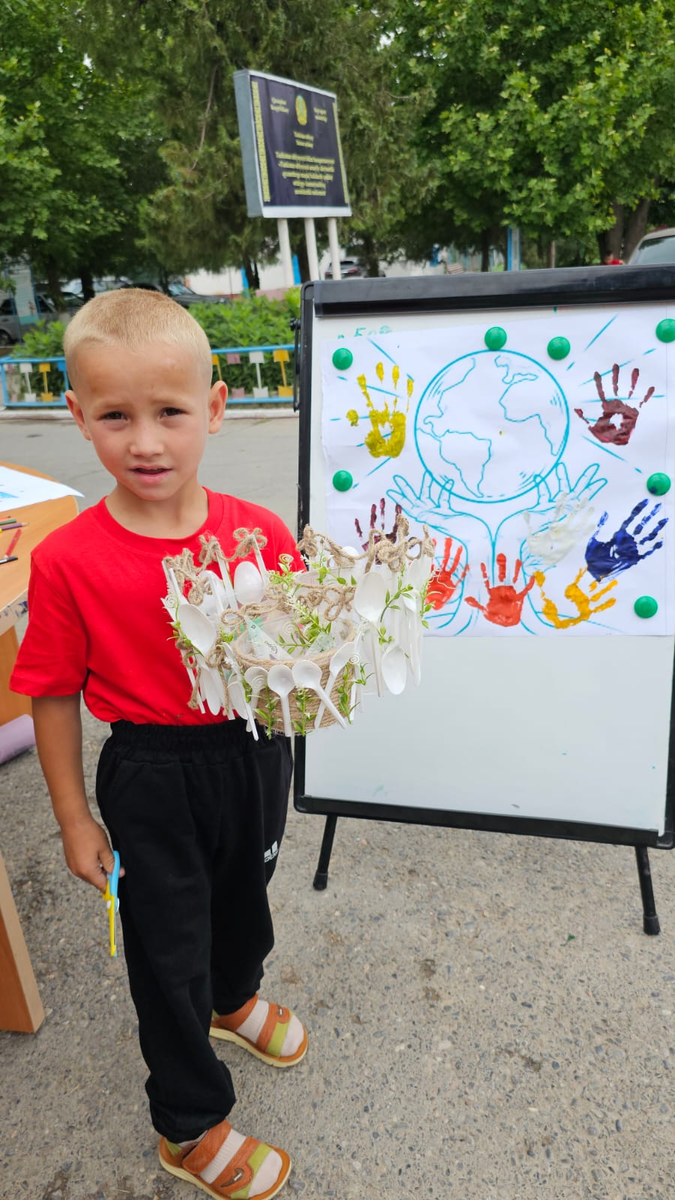
Today, environmental issues are becoming an integral part of our professional and personal responsibility. In 2025, World Environment Day was held under the slogan “Beat Plastic Pollution.” Working in the uranium industry, we are responsible not only for production safety but also for minimizing negative environmental impacts. As part of promoting a culture of environmental responsibility and careful attitude toward nature, JV “SMCC” LLP organized several activities. At the South Inkai mine, a competition among employees titled “7 Green Steps” was held, aimed at developing environmental awareness, increasing interest in nature conservation issues, and encouraging participants’ creative potential. At the Akdala mine, competitions between departments dedicated to environmental protection were organized. Specialists from the Akdala mine made bird feeders using recycled materials, including plastic and used tires. In addition, specialists from the Environmental Protection Sector constructed a small pond on the mine territory to collect meltwater and rainwater, which serves as a resting place for birds. Employees of the Akdala mine also carried out a cleanup campaign along the banks of the Shu River. Children were also involved in environmental awareness activities. Employees of the Industrial Safety Department and Sector of the South Inkai mine conducted an environmental lesson at the Municipal State Institution “Center for Support of Children in Difficult Life Situations” in Shymkent. Interactive games were organized to explain the harmful effects of plastic waste, as well as waste sorting and plastic recycling. A master class was held on making organizers and flower pots from recycled materials. The children showed great interest by participating in a creative drawing competition dedicated to environmental protection. At the end of the event, the children received commemorative gifts. Specialists from the Akdala mine also held an environmental lesson for children under the slogan “Let’s Protect the Planet from Waste!” The event included an intellectual quiz, waste collection and sorting activities, and a drawing competition.
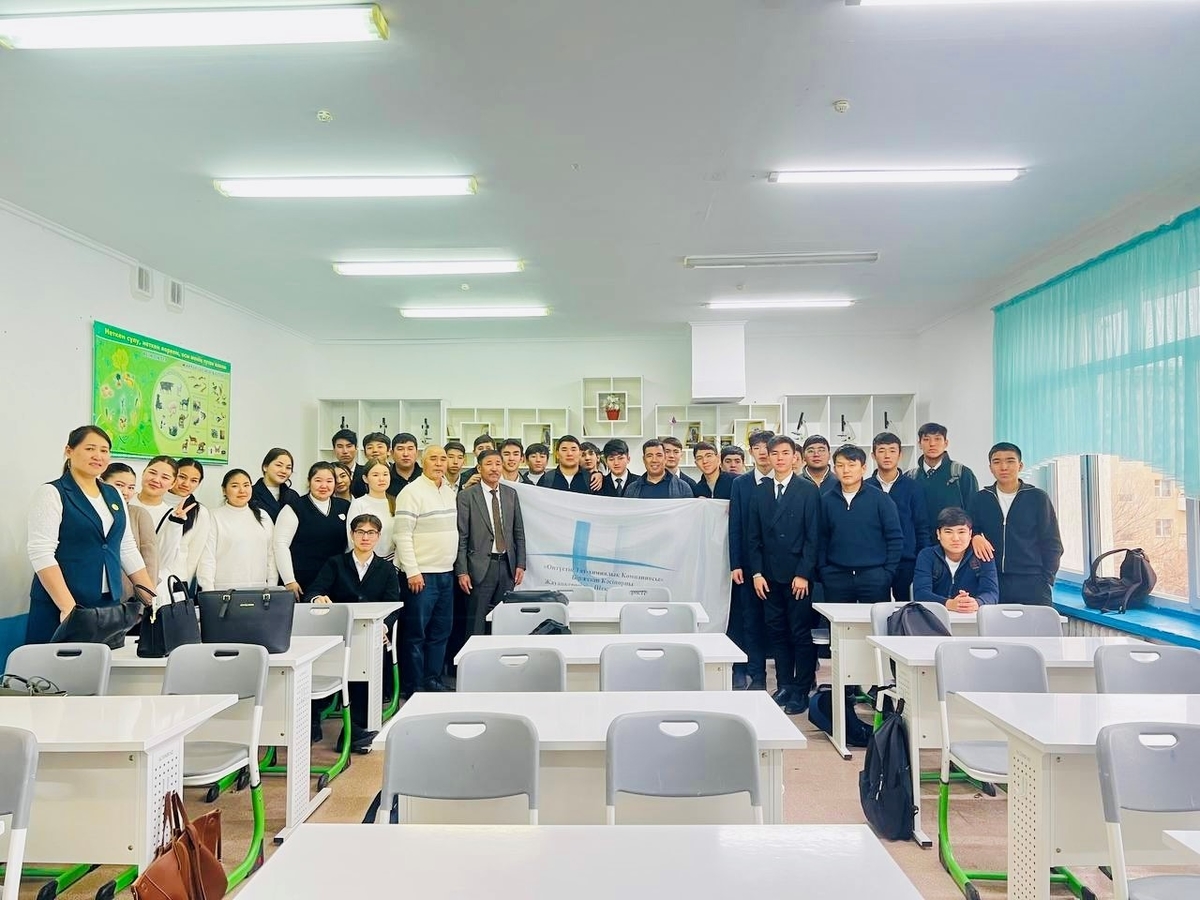
As part of stakeholder engagement and the implementation of the Radioactive Waste Management Program of JV “SMCC” LLP, specialists from the Industrial Safety Sector of the Akdala mine and the South Inkai mine held working meetings with local residents in the settlements of Kyzemshek and Enbekshi. During the meetings, particular attention was paid to issues related to radiation safety at JV “SMCC” LLP, including the measures implemented for the management of radioactive waste. In addition, discussions addressed issues related to radiophobia, with the aim of increasing public awareness and providing clarification on radiation safety practices at the enterprise.
As part of the national environmental campaign “Taza Kazakhstan”, initiated by the Head of State and conducted to enhance environmental culture, landscaping, and the improvement of territories, the following activities have been carried out since the beginning of 2025 by specialists of the Akdala mine:
- 11 clean-up campaigns (subbotniks) were held at production sites, 8 in the settlement of Kyzemshek, at the Kara-Bura Mausoleum in the village of Sozak, and a clean-up event was also conducted in Abai Park in the village of Sholakkorgan.
- 1,950 tree seedlings were planted, including 30 spruce seedlings, 1,820 elm (karagach) seedlings, and 100 paulownia seedlings on the territory of the Akdala mine, as well as in the assigned areas of the Kyzemshek settlement and Abai Park in the village of Sholakkorgan, in coordination with the local executive authorities.
- More than 11 hectares of territory were cleared of waste, dry vegetation, and plant residues (40 bags weighing 50–60 kg each).
- Waste collection and removal campaigns were organized, including the collection of scrap metal, plastic, and other municipal solid waste (5 tons).
- Awareness meetings were held, involving 50 employees, and informational materials on environmental issues and sustainable lifestyles were distributed.
Specialists of the Central Office also conducted clean-up and landscaping activities at state institutions, where 8 spruce trees and 85 elm seedlings were planted.
At the South Inkai mine, as part of the implementation of the national environmental campaign “Taza Kazakhstan,” regular activities are carried out for the sanitary cleaning and improvement of the territory. Clean-up campaigns at the mine are organized weekly.
In the first quarter, landscaping works were carried out at the South Inkai mine, including the planting of 30 elm seedlings. During the reporting period, 700 elm seedlings, 10 paulownia tree seedlings, and more than 1,000 flower seedlings were planted on the mine territory.
As part of a charitable initiative, on April 23, employees of the South Inkai mine visited Special Social Service Center No. 3, where citizens with psychoneurological disorders, recognized as legally incapacitated and fully supported by the state, reside. Cleaning and landscaping works were carried out on the territory of the institution, 8 spruce trees were planted, and painting works were completed. In addition, two washing machines were donated to the center.
On August 16, the team of the South Inkai mine conducted a large-scale clean-up campaign in the settlement of Taikonur. During the event, a children’s playground was restored and painted, the stadium area was improved, and household waste was collected.
In the village of Enbekshi, Kyzylorda Region, the team of the South Inkai mine planted 1,000 elm trees. In addition, the engineering and technical personnel, led by the Chief Engineer, carried out a roadside clean-up along the South Inkai mine – Taikonur settlement road, covering a distance of 7 km.